Snus, a smokeless tobacco product originating from Sweden, has gained popularity in various parts of the world. Unlike traditional chewing tobacco or snuff, snus is placed between the gum and lip for extended periods, delivering nicotine without the need for spitting. While it’s marketed as a safer alternative to smoking, particularly among those looking to quit cigarettes, stronger varieties of snus can pose significant health risks. This article delves into understanding these risks and provides insights into the implications of using stronger forms of this product.
What is Snus?
Snus is a form of moist powder tobacco that is typically packaged in small pouches. Originating from Sweden, it contains finely ground tobacco leaves mixed with water, salt, and flavoring agents. Users place a pouch between their gums and lip, allowing nicotine to be absorbed directly into the bloodstream. This method avoids combustion—a major factor in smoking-related health issues.
The Composition of Snus
Understanding what goes into snus can help users make informed decisions about its use. Common components include:
- Tobacco leaves: The primary ingredient that provides both flavor and nicotine. Water: Helps keep the tobacco moist for easier use. Salt: Enhances flavor and acts as a preservative. Flavorings: These can range from mint to fruit flavors, making snus more appealing to users.
What Does Snus Do?
The primary function of snus is nicotine delivery. Users experience an immediate rush of nicotine that can provide feelings of relaxation or increased alertness. However, these effects come with potential downsides.
How Long Does Snus Last?
Once placed in the mouth, a pouch typically lasts anywhere from 30 minutes to an hour before its effectiveness diminishes. After this period, users often discard it but may be tempted to use multiple pouches throughout the day.
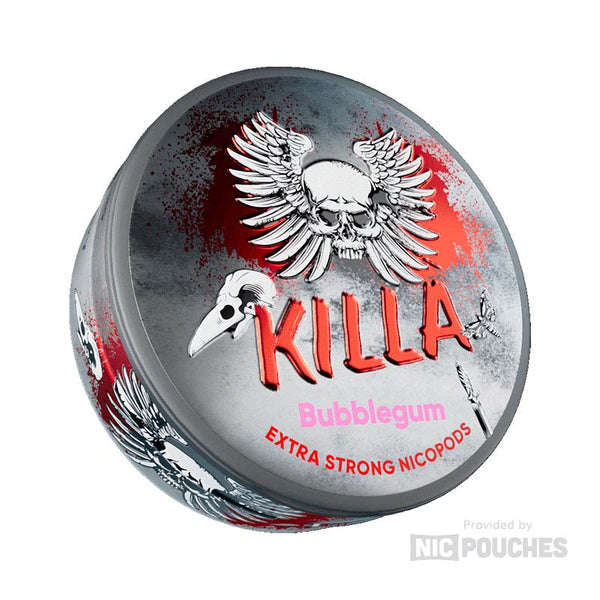
Are Nicotine Pouches Safe?
Recent alternatives like nicotine pouches (which often contain no tobacco) have emerged on the market. While they may seem safer than traditional snus, they still carry risks associated with high nicotine levels.
Differences Between Snus and Nicotine Pouches
| Feature | Snus | Nicotine Pouches | |----------------------|--------------------------------|--------------------------------------| | Tobacco Content | Yes | No | | Flavor Variety | Wide range | Usually flavored | | Usage Method | Between gum and lip | Same as snus | | Health Risks | Tobacco-related illnesses | Potential for addiction due to nicotine |
Understanding the Risks of Using Stronger Varieties of Snus
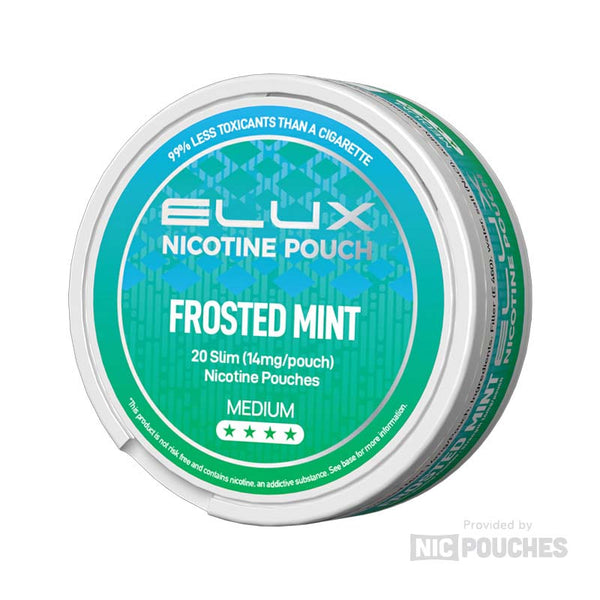
While many people see strong varieties of snus as a means to satisfy cravings more effectively, they often overlook significant health risks associated with higher nicotine concentrations.
Health Implications
Nicotine Addiction
Higher concentrations lead to increased dependency on nicotine. Users may find themselves needing more frequent doses.
Cardiovascular Issues
Chronic use can increase heart rate and blood pressure, contributing to long-term cardiovascular problems.
Oral Health Concerns
Prolonged exposure can cause gum disease and tooth decay as well as increase the risk for oral cancers.
Withdrawal Symptoms
Those who attempt to quit may face intense withdrawal symptoms due to higher levels of addiction caused by stronger varieties.
Mental Health Effects
Some studies suggest links between nicotine use and anxiety or depression symptoms.
Gastrointestinal Problems
Ingesting excess saliva mixed with nicotine can lead to nausea or vomiting—especially if swallowed accidentally.
How Strong is Strong? Evaluating Nicotine Levels in Snus
Different brands offer varying levels of nicotine; some products boast up to 50mg per pouch! For context:
- A standard cigarette contains roughly 10-12mg of nicotine. Many regular-strength snuses contain around 8-12mg per pouch.
Stronger varieties are not intended for new users; they target seasoned consumers seeking heightened effects.

Is Snus Bad for You? Debunking Myths
Many individuals assume that since snus is smokeless, it's harmless compared to cigarettes. However:
Does Snus Cause Cancer?
Yes! While snus might be less harmful than smoking combustible tobacco products, it’s not without risk—especially concerning oral cancers.
Can You Reuse Snus?
No! Once used, pouches lose potency and become unhygienic due to saliva exposure.
Legal Considerations: Is Snus Illegal?
In many countries including the UK and EU nations, traditional forms are legal; however:
- In countries like Australia or Canada, certain regulations may restrict sales. Always check local laws if traveling internationally with these products!
FAQs About Snus
1. What happens if you swallow snus?
Swallowing snus can lead to nausea or vomiting due to its strong taste and high nicotine content which your body isn’t accustomed to ingesting directly.
2. How old do you have to be to buy snus?
Most regions require purchasers to be at least 18 years old; however, regulations vary by country so check local laws before buying!
3. Can you drink alcohol while using snus?
Yes! However, combining alcohol with high-nicotine products may enhance their effects leading some users towards adverse reactions like light-headedness or nausea.
4. Does using stronger varieties affect athletic performance?
Yes! Increased heart rates along with potential dehydration from prolonged use could impair endurance during physical activities.
5. What’s better: vaping or snusing?
Each has unique risks; however many experts believe that neither is truly “safe.” Both introduce addictive substances into your system without offering any health benefits!
6. How long should I keep a pouch in my mouth?
It's generally recommended not exceeding one hour per session as extended exposure increases risks related specifically towards oral health concerns over time!
Conclusion
Understanding the risks associated with stronger varieties of snus allows consumers—whether seasoned users or newcomers—to make informed choices about their tobacco habits. While marketing may portray it as a safer alternative compared with smoking cigarettes or cigars, evidence suggests otherwise when examining health implications tied closely alongside usage patterns over time—particularly regarding addiction potential linked back towards higher concentrations found within certain kinds available today on shelves worldwide!
As always: https://rentry.co/q2ketdpy moderation remains key when dealing with any substance containing addictive qualities such as those found within popularized forms like these—so tread carefully!
This article aims not just at providing insights but also raises awareness about responsible consumption practices surrounding products like these already prevalent within society today whilst encouraging healthier lifestyles overall moving forward through education efforts!